
If you spend even a little time on social media, you have probably seen a whole lot of videos with people explaining “Easy and fast ways you can earn a lot of money online”, and the answer they always provide is – dropshipping! Ever since the pandemic there has been this huge rise of online jobs and somehow this one always prevails! Now, keep reading this blog post if you want to find out what exactly is dropshipping and is this myth created around it true or false.
Table of Contents:
- What is dropshipping?
- How does it work?
- Products people usually dropship
- Example
- Negative sides of dropshipping
- Positive sides of dropshipping
- Conclusion
What is dropshipping?
Dropshipping is essentially an eCommerce business strategy and model in which you can sell things online without owning and being in charge of the actual location where the products are being held. One more thing, the dropshippers never even touch the products! This does not make sense, right? How can I be able to sell things from a place I don’t even own or manage in any way while not even being in contact with the goods? Let me clarify this for you!
How does it work?
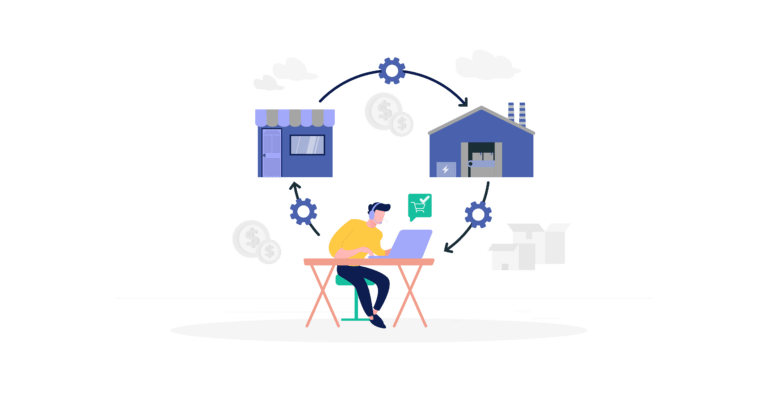
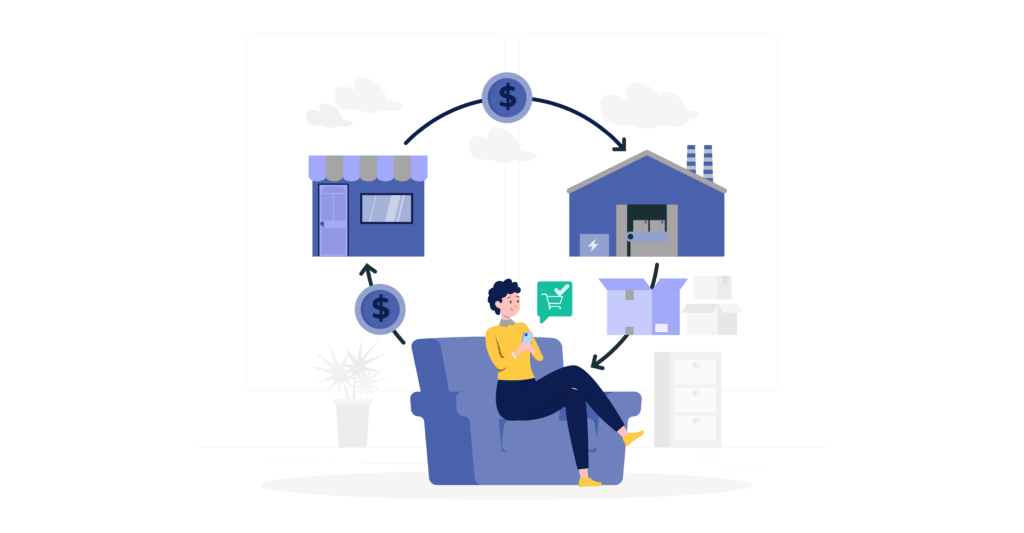
As I previously mentioned, none of the dropshippers actually own the products, but what they do instead is collaborate and work with the companies or people that are supplying them. What is also important to mention is that the merchandise is only purchased from suppliers once the trade has been fully completed. Any purchases made by the buyer are shipped directly to them from an outside vendor.
If you are still struggling to understand this whole process, I will provide a simple example later on which will make it easier to comprehend. But before we get into that, let’s dive in and see what products are the most profitable and common for dropshipping!
Products people usually dropship
If I caught your attention and you are seriously starting to consider getting into dropshipping, you have to know where to start and what are the best products that you can sell!
- Baby products
- You can’t go wrong with anything that is baby related from diapers to toys and strollers.In fact, the global baby market is expected to reach around $88.72 billion in the span of two years.
- Pet supplies
- Some people have children, others have pets, and some have both! As a proud owner of two dogs called Spike and Lucky this fact does not surprise me at all! I love pampering them and buying them all sorts of things like clothing, harnesses, treats and a large variety of squeaking toys and apparently I am not the only one, since these types of products are massively popular in the dropshipping community.
- Clothing and Shoes
- Even though it was probably hard for people before to imagine shopping without trying things on first, nowadays, online shopping has become the new norm. A lot of people seem to enjoy buying this without the hassle of leaving your home. So, T-shirts, dresses and leggings are one of the best items to dropship!
Example
Now that we have established the items that are best for dropshipping let’s get back at that example I promised to give you.
Imagine that you are currently in a dropshipping business and decided to sell baby strollers. Your supplier has priced them at $100. As a middle man, you sell them to a customer for $150. Congratulations! You have just earned $50 without lifting a finger!
Seems easy but like with any other job there are pros and cons!
Negative sides of dropshipping
I mentioned at the beginning that basically anyone and everyone is jumping on the dropshipping train. What’s good about it is that it doesn’t take a lot of money to start off, but that also means that because of that, a lot of people will be doing it. If you and a whole bunch of other people are selling baby strollers, why would someone buy them from you? Of course you could always put a cheaper price on your products but then, will you make a profit? Is it worth it?
You are the one that the customers talk to! Since you never really touch the product you have no idea about its quality, but you are the middle man. That means that if something is wrong with the product that you are selling, the customers will take it out on you and not the actual supplier.
Also, if something goes wrong with the shipping, you will be the one at fault once again. You could always contact the supplier but who knows when, how and if they are going to provide an answer. So, you have to think twice and choose your suppliers well.
Positive sides of dropshipping
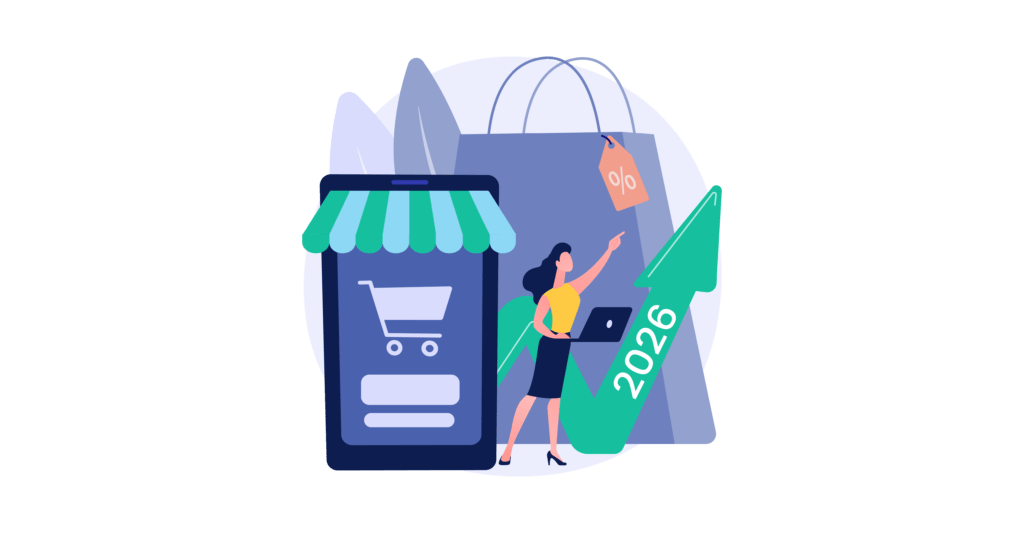
The business is booming! Yes, even though a lot of people are currently in the dropshipping business it is still very much profitable if you know how to do it! Experts predict that by 2026, the dropshipping market size will be worth as much as $476.1 billion. To put things in perspective, this is more than 3.5 times its value in 2020 and an impressive $347.5 billion of growth in just a matter of six years. So, better start your research on how to get into dropshipping ASAP!
One more benefit that was already mentioned a couple of times in this blog post is it’s simple to start! Dropshipping is an easy kind of e-commerce business because you don’t have to manage your things physically. Not to mention that you don’t need a big capital to start because you only buy the product from the supplier once the sale has been made.
Conclusion
It is 2024 and the appeal of dropshipping is still quite strong and compelling. The eCommerce businesses continue to evolve everyday and if this is the model you are willing to try you should definitely consider the pros and cons before you do. Because no, the myth around it is not true. Dropshipping, as everything does, requires work and dedication if you want to be truly successful. Yes, it can definitely be profitable but only if you know all the tactics and how to apply them.